



A shelf that begins to bow under a collection of books is a sign to reassess its construction and load. Sagging happens when the shelf deflects under weight, often because its unsupported span is too long, the material is too flexible or the load exceeds the intended capacity. Long-term loading can increase deflection even after the books have been in place for months.
First: check whether the shelf is safe
Remove the load from visibly damaged or severely bowed shelving. Inspect the supports, shelf pins, brackets and side panels for cracks, loose fasteners, swelling or separation. If a wall-mounted shelf appears unstable, keep people away from the area and have it inspected rather than testing it with more weight. Never work beneath a loaded shelf or rely on a decorative back panel as structural support.
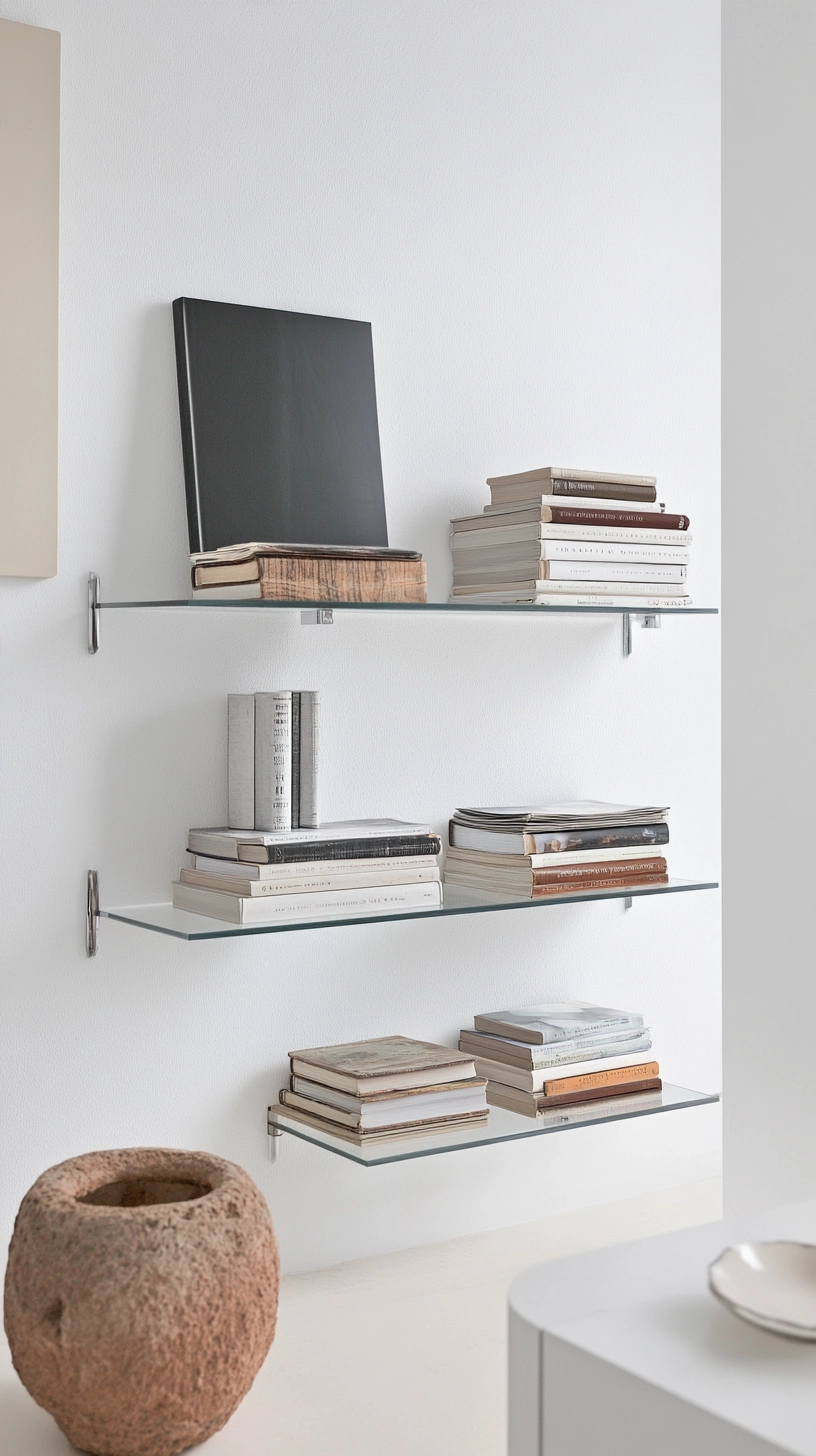
What makes a shelf sag?
| Factor | What to change |
|---|---|
| Unsupported span | Add a suitable central support or shorten the span. |
| Shelf thickness and material | Choose a stiffer, properly rated board. |
| Heavy collection | Reduce the weight or distribute it across supported bays. |
| Poor connections | Use compatible supports and rated fasteners. |
| Long-term loading | Check deflection periodically and design for sustained loads. |
Five ways to reduce sagging
1. Shorten the span. A center divider or properly installed bracket divides a long shelf into shorter supported sections. This is often more effective than simply using a slightly thicker board. The divider must transfer the load to a suitable base or structure.
2. Choose a stiffer shelf. Solid wood, plywood and engineered boards have different stiffness properties. Use actual thickness, grain direction and the manufacturer’s specifications rather than judging strength by appearance. Edge banding alone does not necessarily stiffen a shelf.
3. Add structural reinforcement. A deeper solid front rail can improve stiffness if the joint is designed to transfer the load. A decorative strip glued onto a finished surface may not achieve the same result. Seek appropriate woodworking advice before altering a load-bearing assembly.
4. Reduce and distribute the load. Avoid densely stacking heavy books or objects on a long unsupported middle section. Move oversized books to shorter, stronger shelves near the base. Follow the manufacturer’s load ratings, including whether the rating assumes evenly distributed weight.
5. Replace damaged material. Swollen particleboard or cracked joints may not recover safely. Replace compromised parts with compatible rated components or rebuild the shelf as needed.
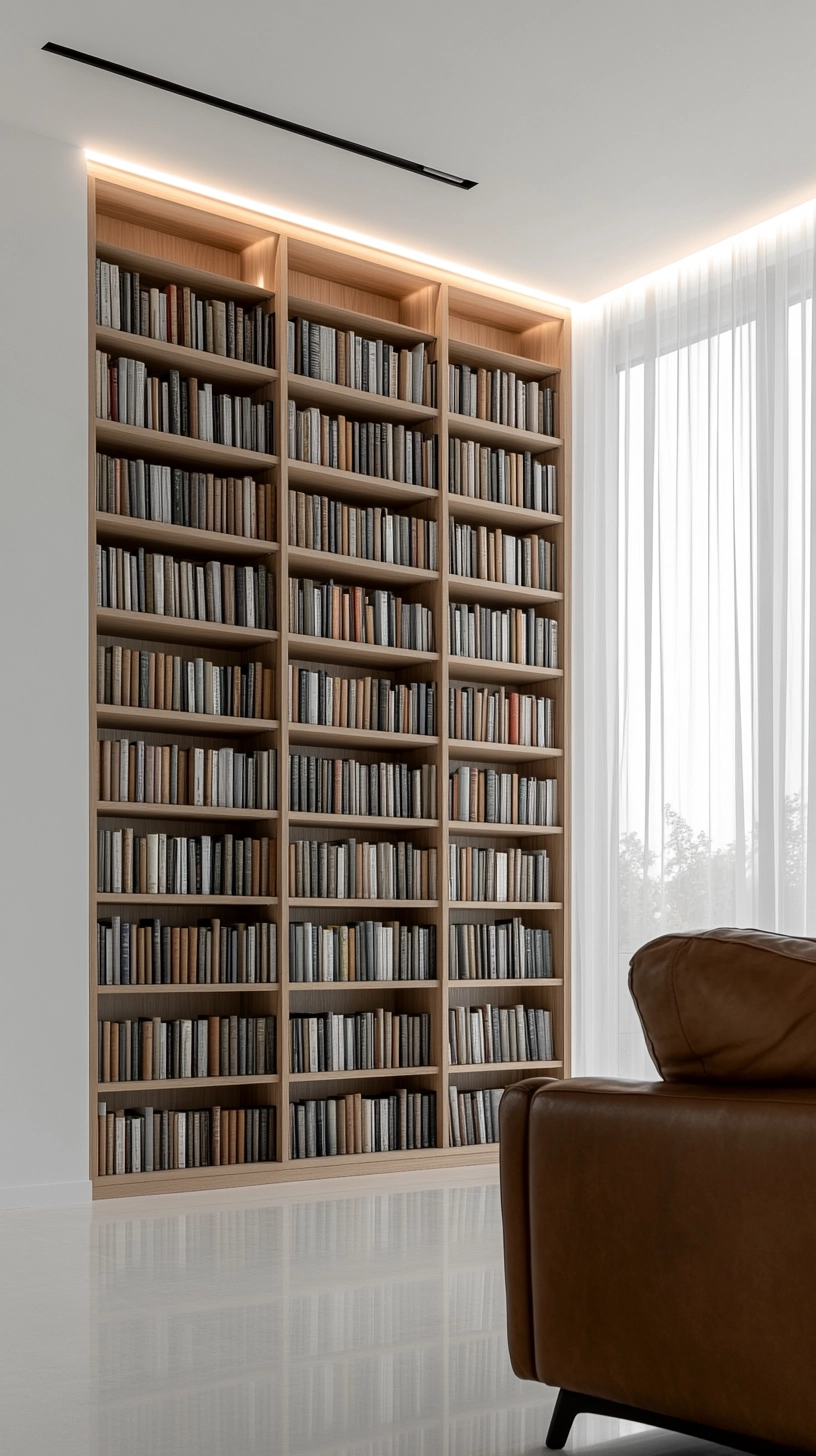
Use a deflection calculator before building
WoodBin’s Sagulator estimates shelf deflection from the material, thickness, depth, span, loading pattern and support condition. Use the actual dimensions and weight of what will be stored. The result is an estimate, not a guarantee of the strength of joints, brackets, anchors or walls. The calculator also notes that prolonged loading can increase sag.
Can you repair an already bowed shelf?
Unload it first. Some materials recover partially; others retain a permanent bend. Flipping a bowed shelf is not a dependable repair because the underlying material or support may still be unsuitable. If the problem is modest and the shelf is undamaged, a properly designed reinforcement or center support may be appropriate. Replace unsafe or cracked components.
Before putting books back
- Verify the intended load and support rating.
- Ensure the unit is level and securely anchored where required.
- Check for damaged pins, brackets and connections.
- Avoid overloading drawers or shelves with heavy books.
- Reinspect for movement or deflection after loading.
For design inspiration, browse our DIY bookshelves and wooden bookshelf ideas. Beautiful shelving should be supported by sound construction, not appearance alone.
Frequently asked questions
Does a thicker board always fix sag? Thickness helps stiffness, but material, span and connections still matter.
Are floating shelves safe for books? Only when the shelf, brackets, fasteners and wall substrate are rated for the total load and correctly installed.
Can I estimate safe weight from shelf length alone? No. A deflection calculator and product specifications are better starting points; consult a qualified professional for uncertain or heavy installations.