



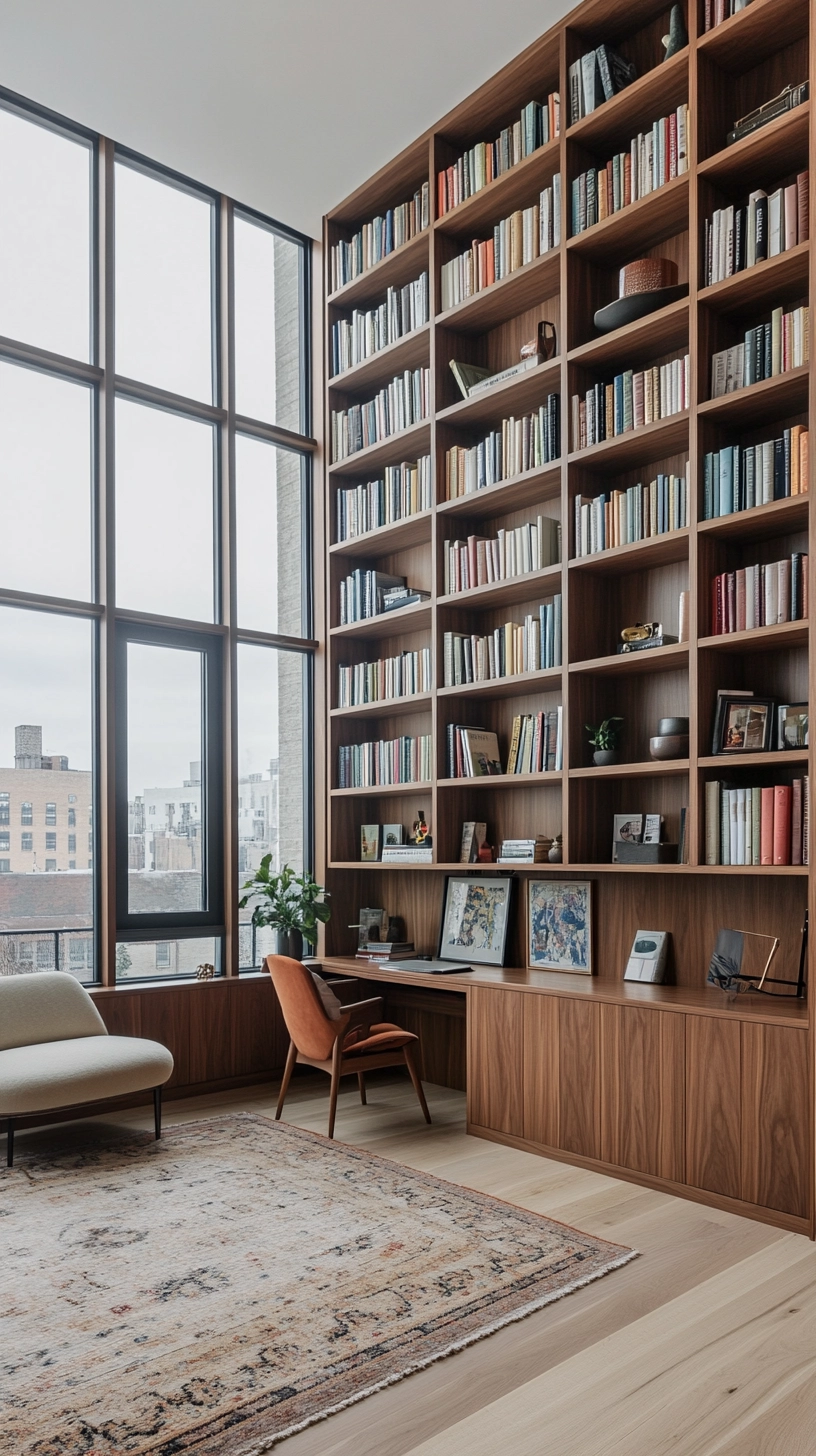
A sunny reading corner can be lovely for people and harsh on books. Light gradually fades pigments and damages paper; moisture can encourage mold, deform bindings and cause pages to stick. The best way to care for a home library is to prevent exposure before damage happens. You do not need a museum-grade room to make meaningful improvements.
Choose a stable place for your books
The Library of Congress recommends a relatively cool, dry, clean and stable storage environment, with minimal exposure to light. For many books it suggests relative humidity around 35–50 percent. The emphasis is on stability rather than chasing one exact number. Avoid damp basements, hot attics, garages and shelves near radiators or plumbing.

How to reduce light damage
- Move valuable books away from direct sun and strong spotlights.
- Use blinds, curtains or suitable UV-filtering window coverings where sunlight crosses shelves.
- Rotate display books rather than leaving one cover exposed continuously.
- Turn lights off when the area is not in use.
- Store particularly fragile or valuable books in appropriate archival enclosures.
UV-filtering materials reduce one contributor to light damage but do not eliminate all fading. Visible light can also damage sensitive materials. The Library of Congress explains that exposure intensity and duration both matter, so limiting the hours of exposure is useful even in filtered light.
Monitor humidity rather than guessing
Place a small hygrometer near the bookcase, away from direct sun or a heating vent. Observe readings over several days and through weather changes. If humidity is persistently elevated, address moisture sources, improve ventilation where appropriate, and consider a dehumidifier. Correct leaks promptly. Avoid aiming a humidifier or dehumidifier exhaust directly at books.
| Problem | Practical response |
|---|---|
| Direct afternoon sun | Shift shelves or use adjustable window coverings. |
| Condensation near windows | Move books away and investigate moisture. |
| Persistent high humidity | Check for leaks and use appropriate humidity control. |
| Fading display covers | Reduce exposure time; store special editions in darkness. |
| Dust buildup | Clean shelves gently and regularly. |
Keep books supported and easy to handle
Store ordinary books standing upright with bookends when a shelf is not full. Avoid squeezing books tightly. Large or fragile volumes may need flat storage with suitable support. Pull books from the middle of the spine area rather than tugging on the headcap. Wash and dry your hands before handling special books; avoid food and drinks nearby.
What to do if books smell musty
A musty odor is a reason to investigate, not proof of active mold. Separate suspect books from the collection and examine the room for moisture. Do not brush visible mold indoors, and do not use household bleach or fragrances on books. For valuable or extensively affected items, contact a paper conservator or preservation specialist. Widespread mold in a building may need professional remediation.
Decorate a reading nook without sacrificing preservation
Position the reading chair where the light is pleasant and the most sensitive books where light is indirect. A closed cabinet or opaque archival box can protect valuable volumes. Our window reading nook ideas and window bookshelf designs can help inspire a layout, but adapt any sunny arrangement to protect your collection.
A simple monthly routine
Check humidity trends, inspect windows and walls for dampness, dust accessible shelf surfaces and look for signs of fading or damage. Make small adjustments before a problem spreads. For ordinary books, sensible preventive care is usually more useful than specialized treatments.